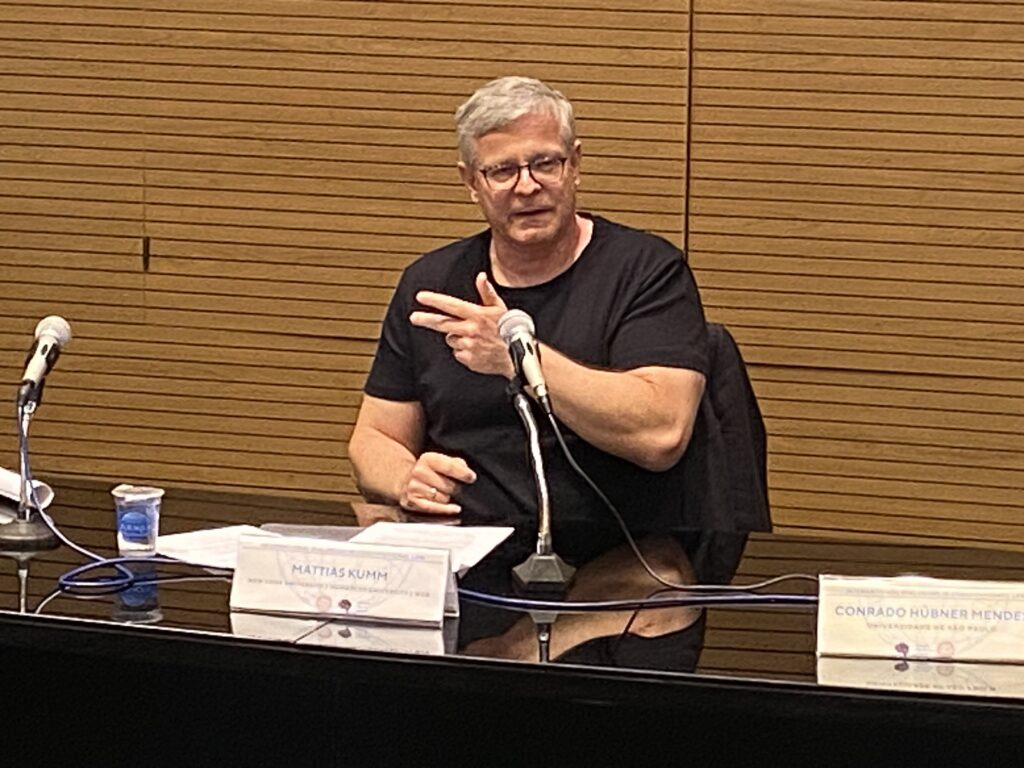
Mattias Kumm: Regulation of Digital Platforms

One of the issues that most concerns contemporary democracies is the role that digital platforms and their algorithmic models have played in spreading misinformation and fueling polarization and hatred. They have influenced elections and provided a powerful tool for extremism. Government regulation of these companies has become a top priority on the agenda for defending democracy.

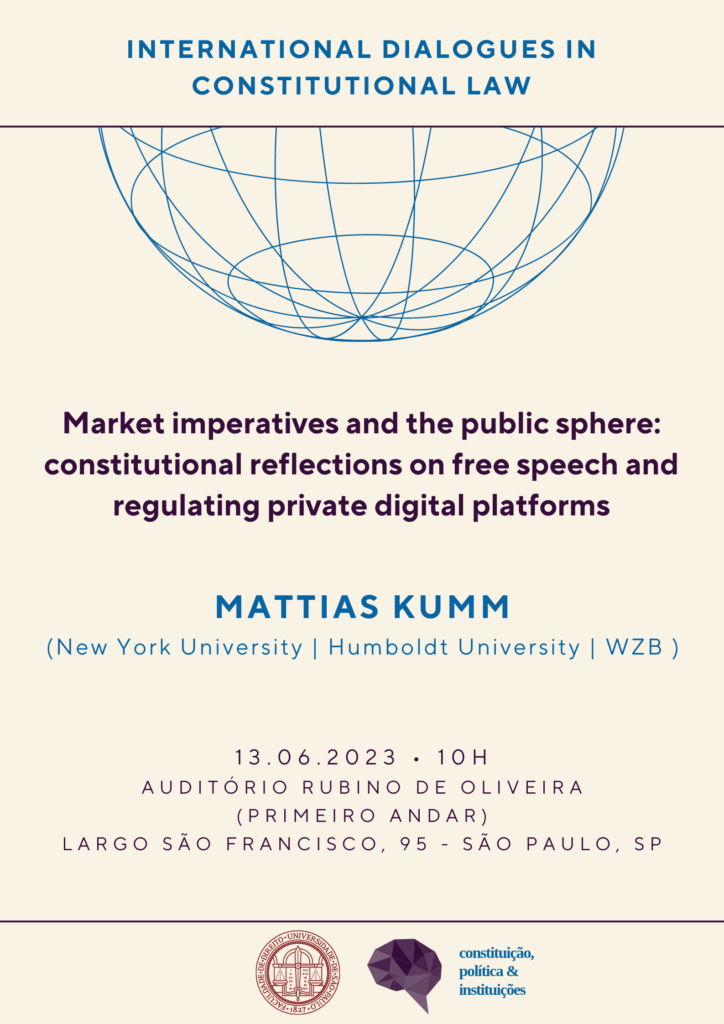
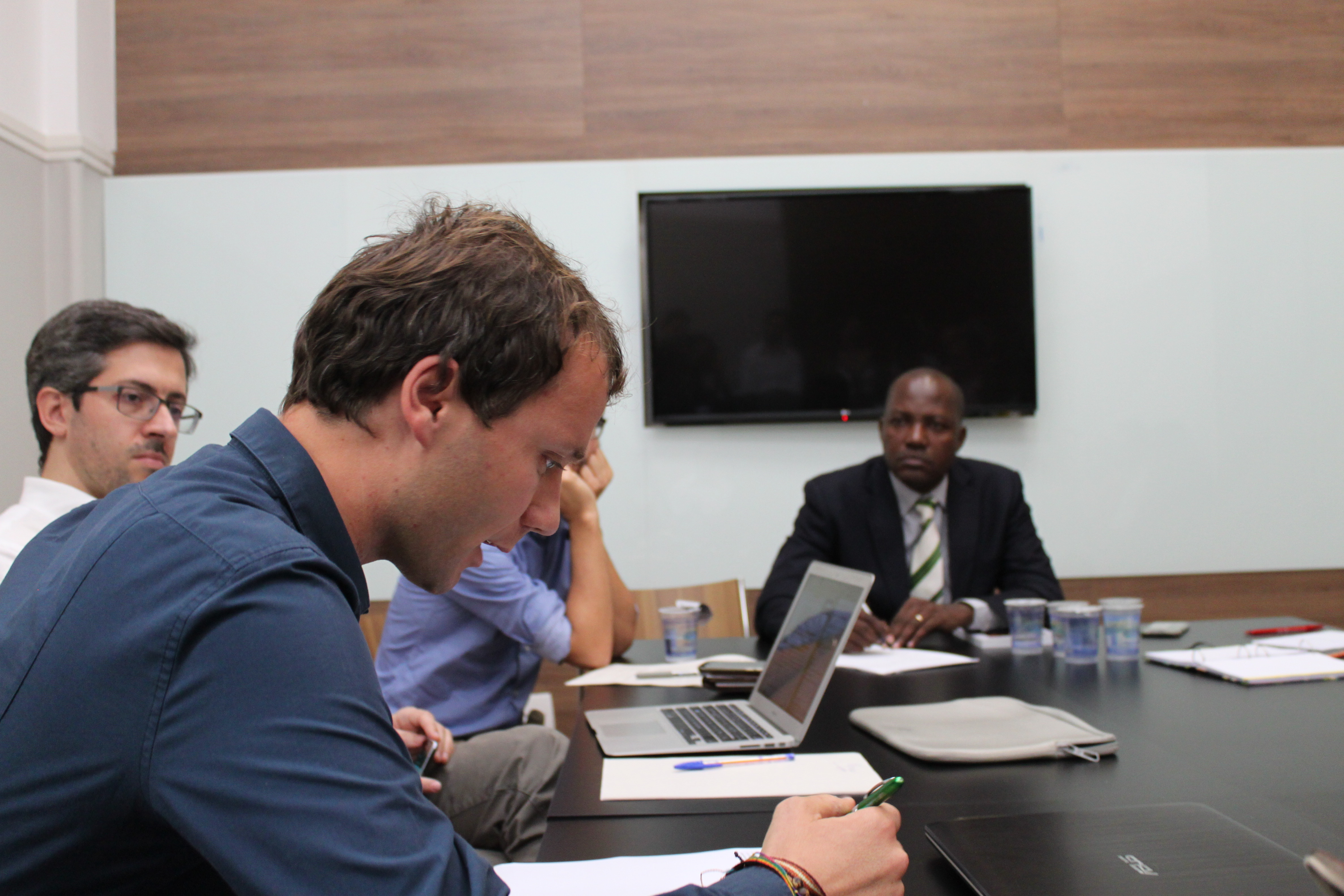
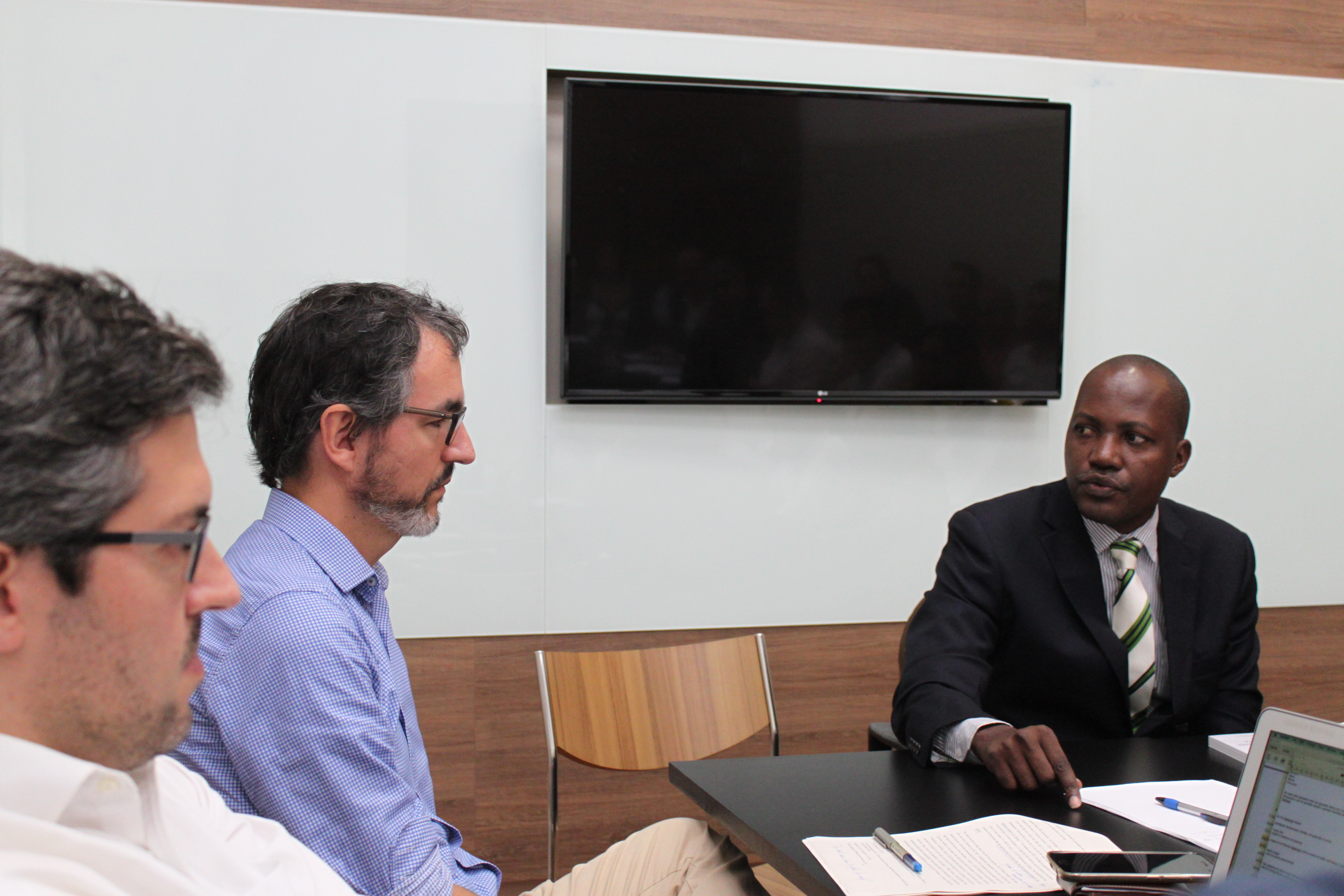
In his lecture as part of the International Dialogues in Constitutional Law series, Mattias Kumm, of New York University (NYU) and Humboldt University of Berlin, discussed how to address the challenge of regulating these platforms in light of the values of global constitutionalism.
Market Imperatives and the public sphere: Constitutional Reflections on free speech and regulating private digital platforms
MATTIAS KUMM
New York University (NYU) and Humboldt University Berlin
13 June, 10h00
Largo de São Francisco, 95. Historical Building, Rubino de Oliveira Auditorium

 

International Dialogues: Judge Susanne Baer asks “who protects your fundamental rights?”

On 14 November 2018, Justice Baer, who serves at the German Federal Constitutional Court as a Justice of the First Senate, discussed the status and value of constitutional law in a world in which societies face a multitude of challenges. All of us, as well as courts need to react properly to fast economic, social and cultural change that affects everyone´s lives. (more…)

Carlos Bernal (Constitutional Court, Colombia): Is Transformative Constitutionalism an Illusion for the Global South?


The International Dialogues in Constitutional Law event resumed its activities in the second semester of 2018 with the lecture “Is Transformative Constitutionalism an Illusion for the Global South?”, presented by the judge of the Colombian Constitutional Court Carlos Bernal Pulido. In this conference, Bernal presented the path for Courts’ transformative action to promote a representative, deliberative and participatory democracy. (more…)

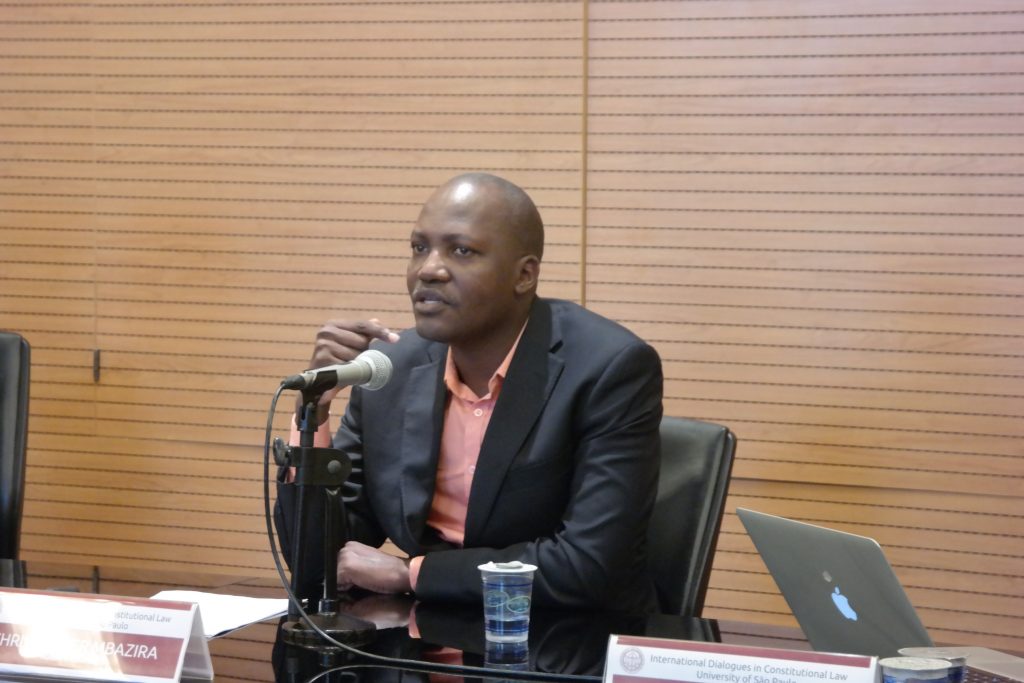
Christopher Mbazira (Makerere University, Uganda): Transnational judicial dialogues and the enforcement of socioeconomic rights

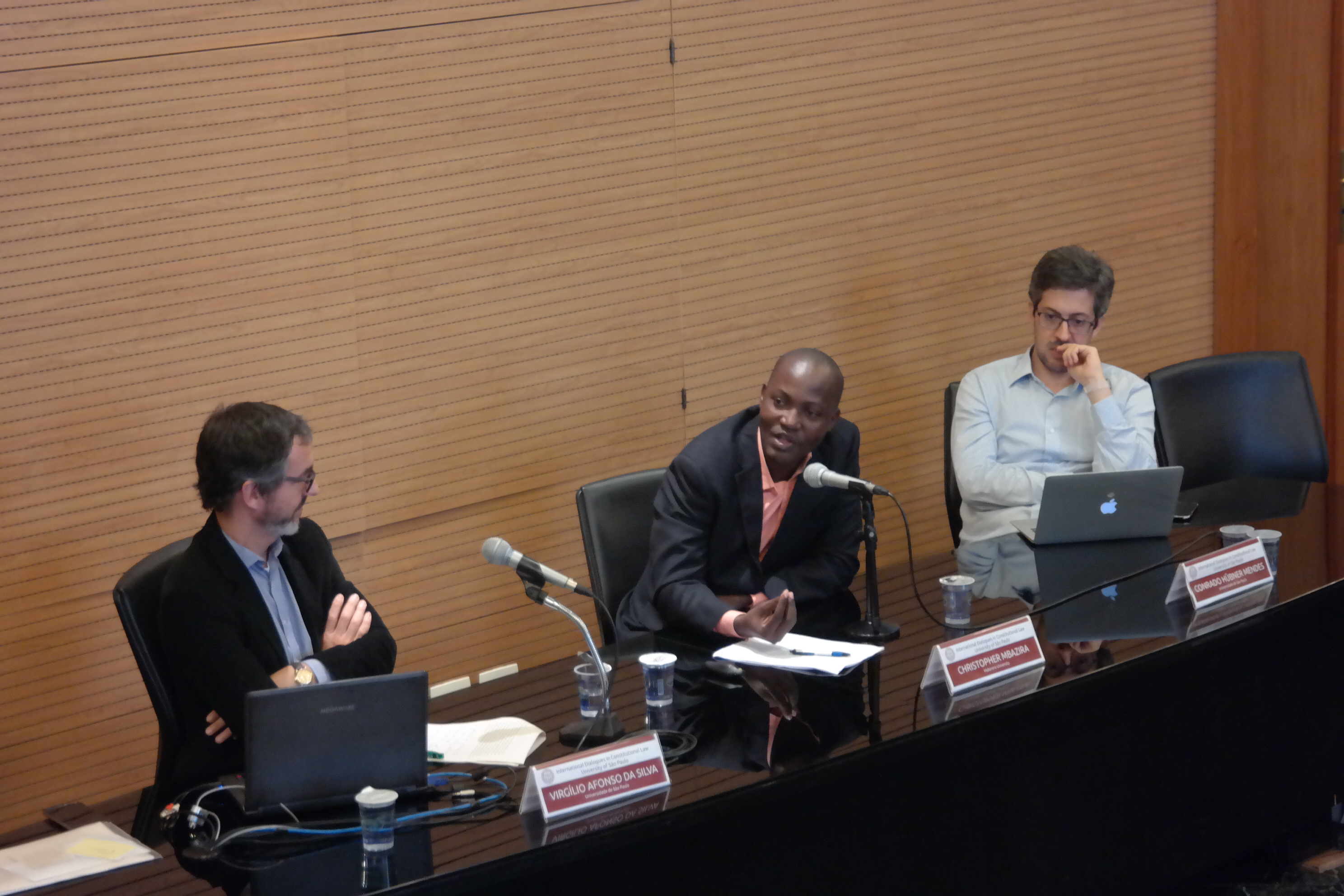
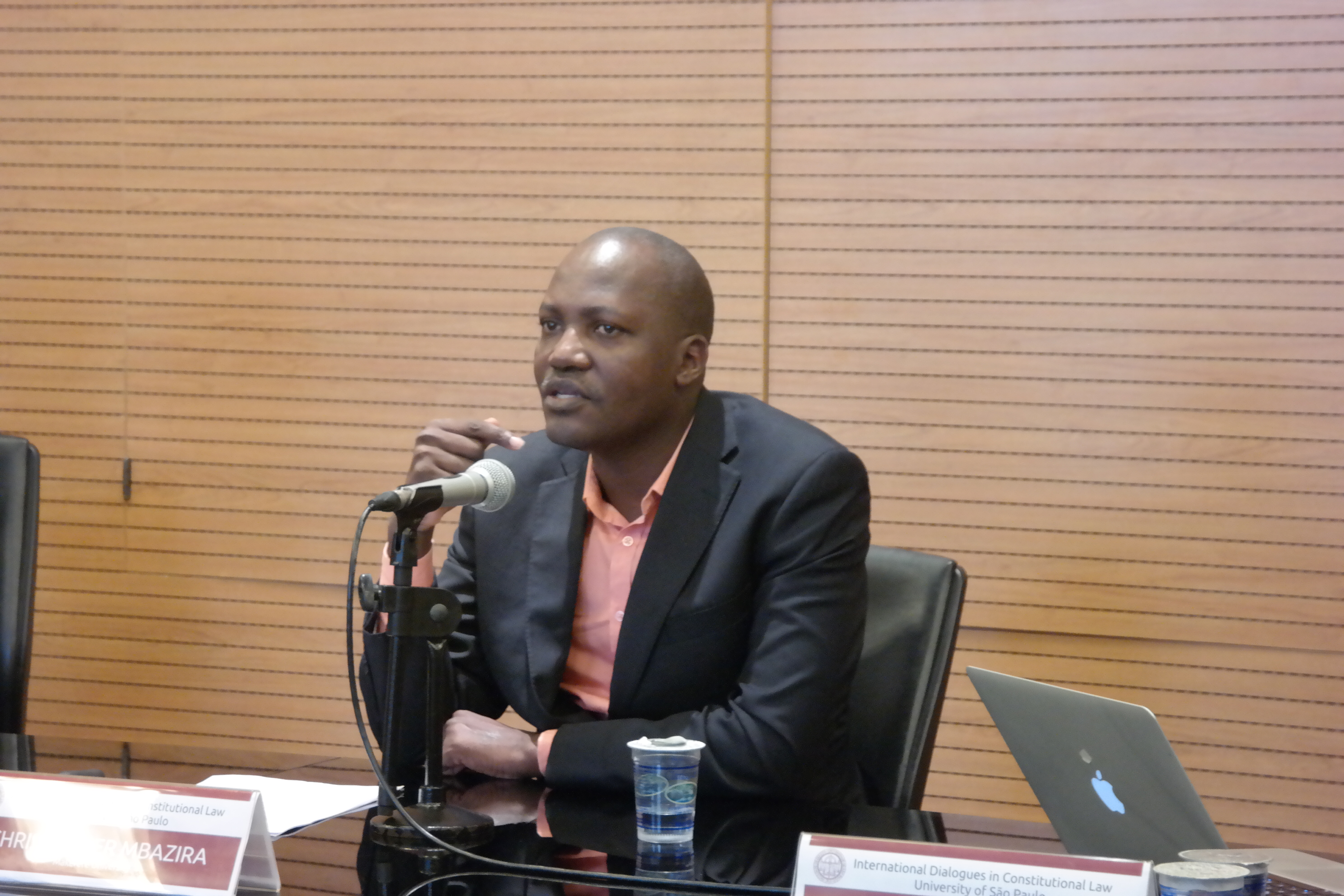
On October 17, 2018, our guest was Prof. Dr. Christopher Mbazira, professor at Makerere University in Uganda. From the analysis of constitutional jurisdiction and constitutionalism in three African countries (South Africa, Kenya and Uganda), Mbazira identifies the existence of a transnational judicial dialogue. This dialogue is mainly expressed by direct interaction between judges from different countries which voluntary quote votes from other Courts.

Mbazira argues that the best explanation for this phenomenon is that judges have progressively increased the amount of times foreign Court’s decisions are quoted because they identify themselves as peers. Thus, organically, they have come to recognize similarities in the agenda pursued, in the methods used and in the purposes sought by the institutional structure in which they belong.

To illustrate this relationship, he presented a set of concrete examples. In this movement, South Africa emerges as the Country leading the changes and inspiring other countries to emulate them, as a leader of the pack. However, in recent times, Kenya has also emerged as a possible influence for other Courts in advancing rights. This was mainly due to the adoption of the new constitutional text, also influenced by other Countries. Among other provisions, this constitution establishes that State must prove the absence of financial resources to finance public policies.

After professor’s Mbazira’s presentation, he answered questions presented by the audience, among which (i) about the possibility of naming the phenomenon as dialogue if no actual exchanges between Courts occur, (ii) related to the evidence of the existence an effective influence, and (iii) resulted in an invitation to conduct a normative reflection on the consequences of this phenomenon.

Written by Ana Laura Pereira Barbosa. Translation by Natalia Langenegger. Photos by Artur Pericles Lima Monteiro and Fernanda Mascarenhas de Souza.

Carlos Bernal: Is Transformative Constitutionalism an Ilusion for the Global South?

Are a constitution and a constitutional court capable of effecting social transformation? These are some of the questions our next guest will be addressing.

We are back this week with the International Dialogues in Constitutional Law, with Carlos Bernal Pulido, justice of the Constitutional Court of Colombia. He will give the lecture “Is Transformative Constitutionalism an Illusion for the Global South”.

Aside from sitting in one of the most influential constitutional courts in Latin America, Carlos Bernal, a leading scholar in constitutional law, is the author of several books and has published in the some of the world’s most important journals.

Is Transformative Constitutionalism an Illusion for the Global South
Carlos Bernal Pulido
Constitutional Court of Colombia
October 10th, 10 am
Faculdade de Direito da USP, auditório do 1º andar

Udo Di Fabio (U. Bonn) to give lecture on political parties

Few topics are as controversial in the public debate in Brazil as the financing of politics, particularly political parties. This will be one of the central subjects for our next event, next week.

On Thursday, May 10th, at 10 am, Dr. Udo Di Fabio, a professor at University of Bonn and a former judge on the German Constitutional Court will give a lecture, followed by a debate, titled Political Parties: Constitutional Status, Financing and New Challenges. Everyone is welcome to attend.

Political Parties: Constitutional Status, Financing and New Challenges
Prof. Dr. Udo Di Fabio
May 10, 10h
Faculdade de Direito da USP, auditório do 1º andar

‘International Dialogues’ hosts Francisco Urbina

On Thursday, April 26, at 10am, our International Dialogues in Constitutional Law is back, with Professor Prof. Dr. Francisco J. Urbina (Pontificia Universidad Católica de Chile).

He will talk about his book A Critique of Balancing and Proportionality. Urbina is one of the main critics of balacing and proportionality as methods for settling disputes and applying the law. His 2017 book is unquestionably a major contribution in the topic.

Urbina will also join us in a closed-doors seminar on April 27, also at 10am, when we will discuss his working paper “Separation of powers: the minimal view”. RSVP required via email: dialogues@usp.br.

Lee Epstein (Washington University at St. Louis, USA), The Study of Judicial Behavior

On 23 October 2017, we received Lee Epstein, from the Washington University in St. Louis. Professor Epstein is an expert in judicial behavior and has written several books on the subject, such as “The Behavior of Federal Judges” (2013) and “The Oxford Handbook on U.S. Judicial Behavior” (2017).
Professor Epstein presented the results of her studies on the behavior of the individual judge and the collegial court. Concerning the first, she argued that ideology plays a role in judges’ decisions, that female judges decide cases different from male judges in cases involving labor discrimination and that the possibility of promotion affects judges’ decisions. Concerning collegiate courts, she pointed that women tend to rule in favor of women in labor discrimination cases, that there is a dissent aversion that involves costs (such as the collegiate effort) and benefits (such as reputation and influence); and that elected and tenured judges tend to rule differently, especially when close to elections.
Professor Epstein argued that it is necessary to recognise the limits of the rationality assumption in relation to judges, since their affective responses to litigants are inevitable. In addition, she pointed that the research on judicial behavior needs to move beyond the US, expanding its horizon.